The Seven Deadly Sins: Origin Map Exploration Guide
Explore the world of Seven Deadly Sins: Origin with this complete guide covering quests, collectibles, warp points, and hidden exploration content to help you fully clear each region.

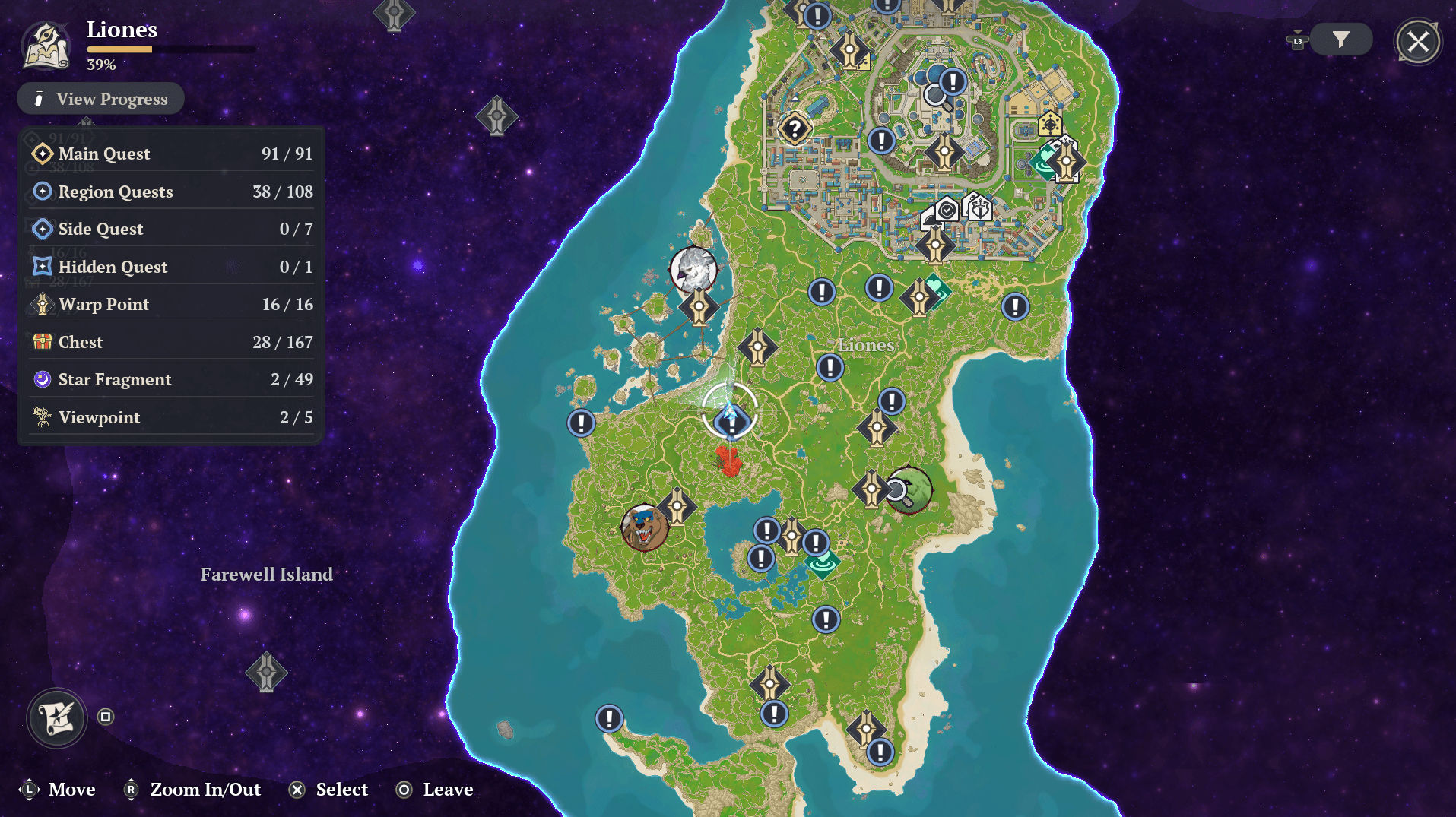
As you begin your journey in Seven Deadly Sins: Origin, you’ll quickly be introduced to its massive world. For you exploration junkies, this is where things get exciting. There are so many places to go and so many things to collect.
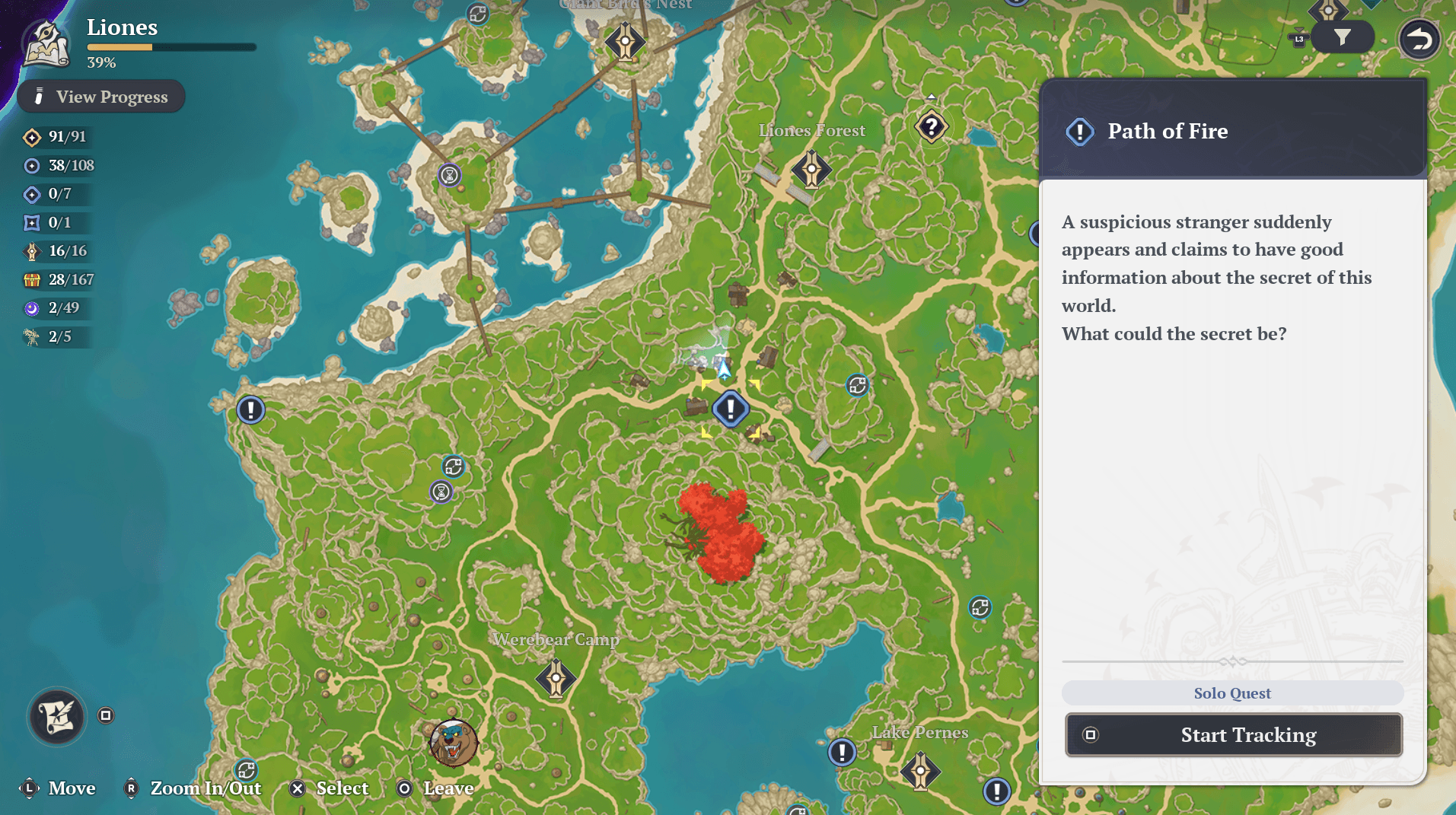
When you open your map, you’ll notice a list of progression objectives on the left. This list shows you exactly what you need to do and find in order to reach 100% map completion within each area. Every region has its own set of objectives, meaning there is always something new to track down as you explore.
If you are aiming for full completion, this list becomes your checklist. From main story progression to hidden collectibles, everything you need is right here.
Let’s start at the top with the most important category.
Main Quests – Your Core Progression
This section is kind of a given, but it is extremely important for progression. Main quests drive the story forward and unlock new areas along with important game mechanics.
You’ll complete these naturally as you play, and they will open up more opportunities for exploration across the map. If something feels locked or incomplete, chances are you need to push the main story a bit further.
Main quests are marked with a gold quest symbol and can always be found at the top of your quest log.
Region Quests – The Bulk of Exploration
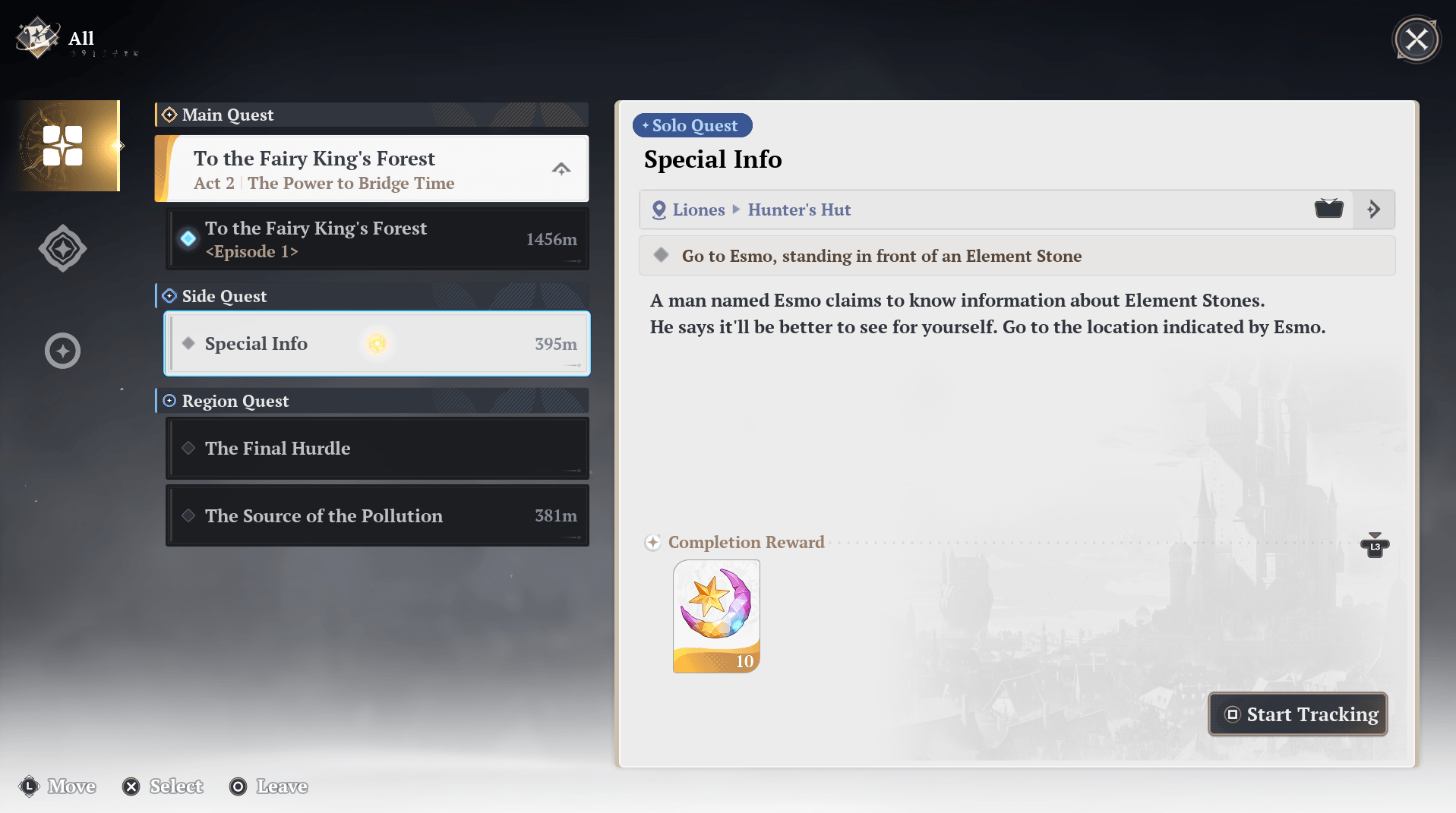
Next up on the list are Region Quests. This is where the bulk of your exploration will take place, as each area has dozens of these to complete.
You’ll find them scattered throughout each region by interacting with different NPCs. Most of these are smaller tasks that help build out the world and give more context to the areas you’re exploring.
They usually don’t take very long to complete and will reward you with some useful compensation along the way.
Region Quests are marked with this round quest symbol, shown below.
Side Quests – Worth Doing While You Explore
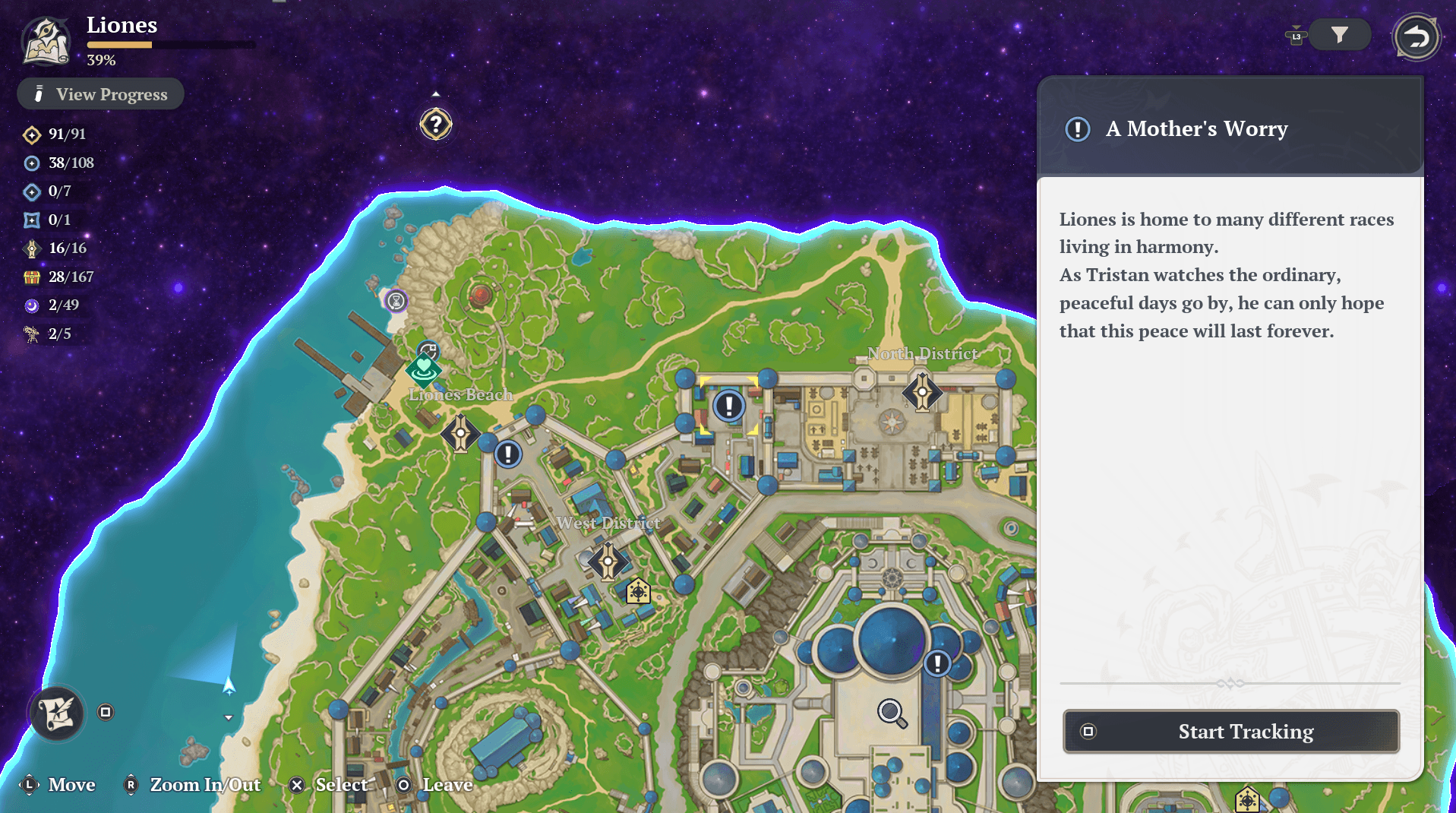
Side Quests are slightly more involved than Region Quests, but are just as easy to complete. I followed one in Liones that took about 15 to 20 minutes, and even though I was only tracking a single quest, it ended up completing all seven in the progression since it was actually a chain of quests that continued one after another.
These quests seem to teach you more in depth about game mechanics and, once again, provide some useful compensation along the way.
Side Quests are marked with this rounded diamond quest symbol, shown below.
Hidden Quests – Easy to Overlook
I have yet to come across a Hidden Quest, but I imagine these will be shorter, more contained experiences that help build upon the world.
Hidden Quests are marked with a square quest symbol.
Warp Points – Fast Travel & Map Control
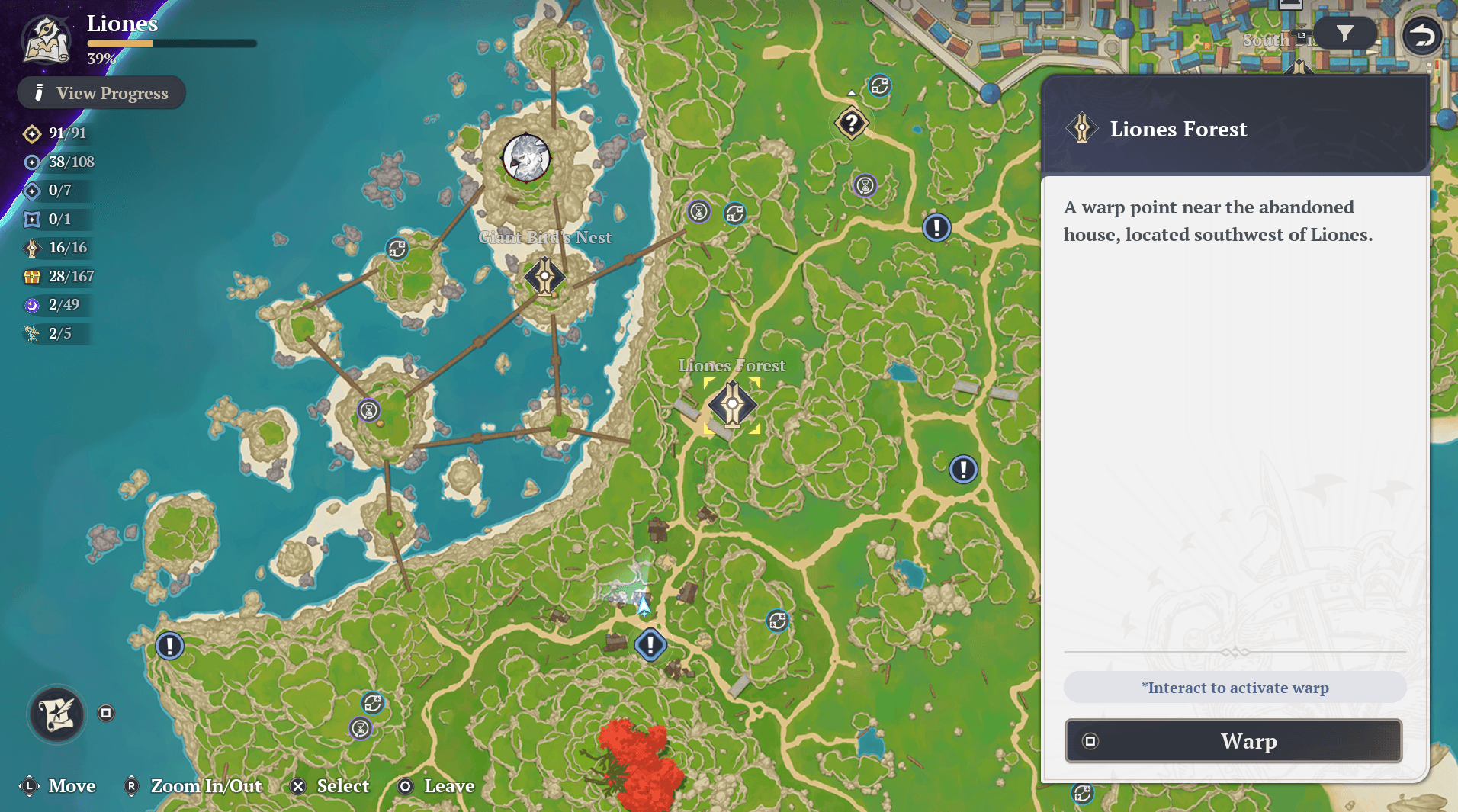
Each region has a set number of Warp Points to find and activate. These act as your fast travel system and make traversing the map much easier once they are all unlocked.
They also help reveal more of the map, giving you a clearer view of the world as you continue exploring.
Warp Points are marked with a golden totem-like symbol, making them easy to spot and prioritize as you explore.
Chests – Hidden Rewards Across the Map
Chests are scattered all over the map, some hidden in plain sight and others tucked away off the path. The rewards you get depend on the type of chest you open, with sturdier chests offering better rewards.
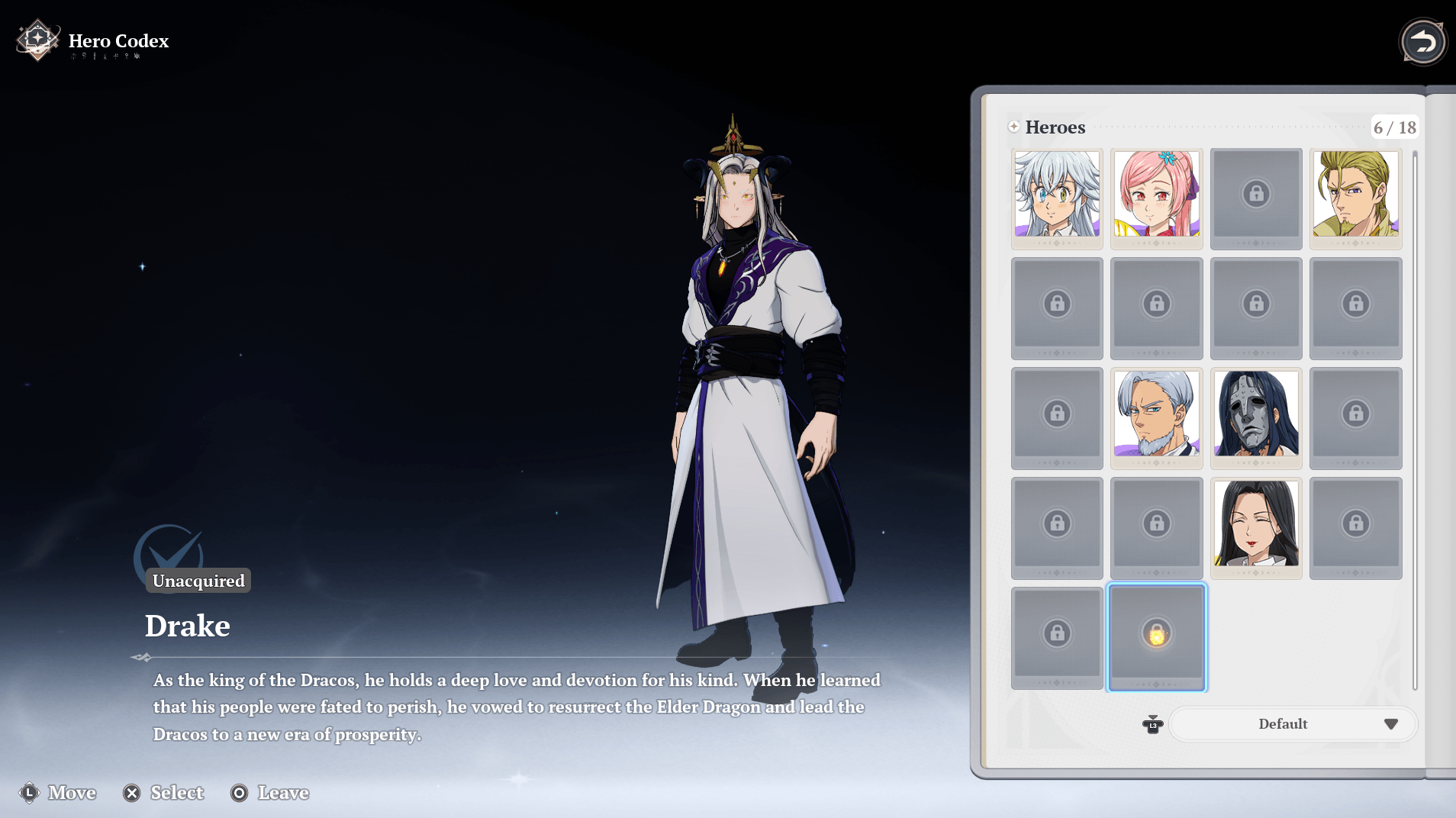
Chests are marked with a chest symbol, but you won’t see this on your map without Drake on your team. He allows you to easily spot chests, making exploration much easier.
Star Fragments – Hidden but Important
Star Fragments are shown with a purple crescent moon icon in the progression list. Each area has a set number to find, and these can be harder to locate and even harder to reach.
It is recommended to have Bug on your team, as Bug can transform into a flying form and reach higher locations. This makes collecting Star Fragments much easier.
Be on the lookout for these, as they are rarely in plain sight and are often found off the beaten path.

Viewpoints – Take in the World Around You
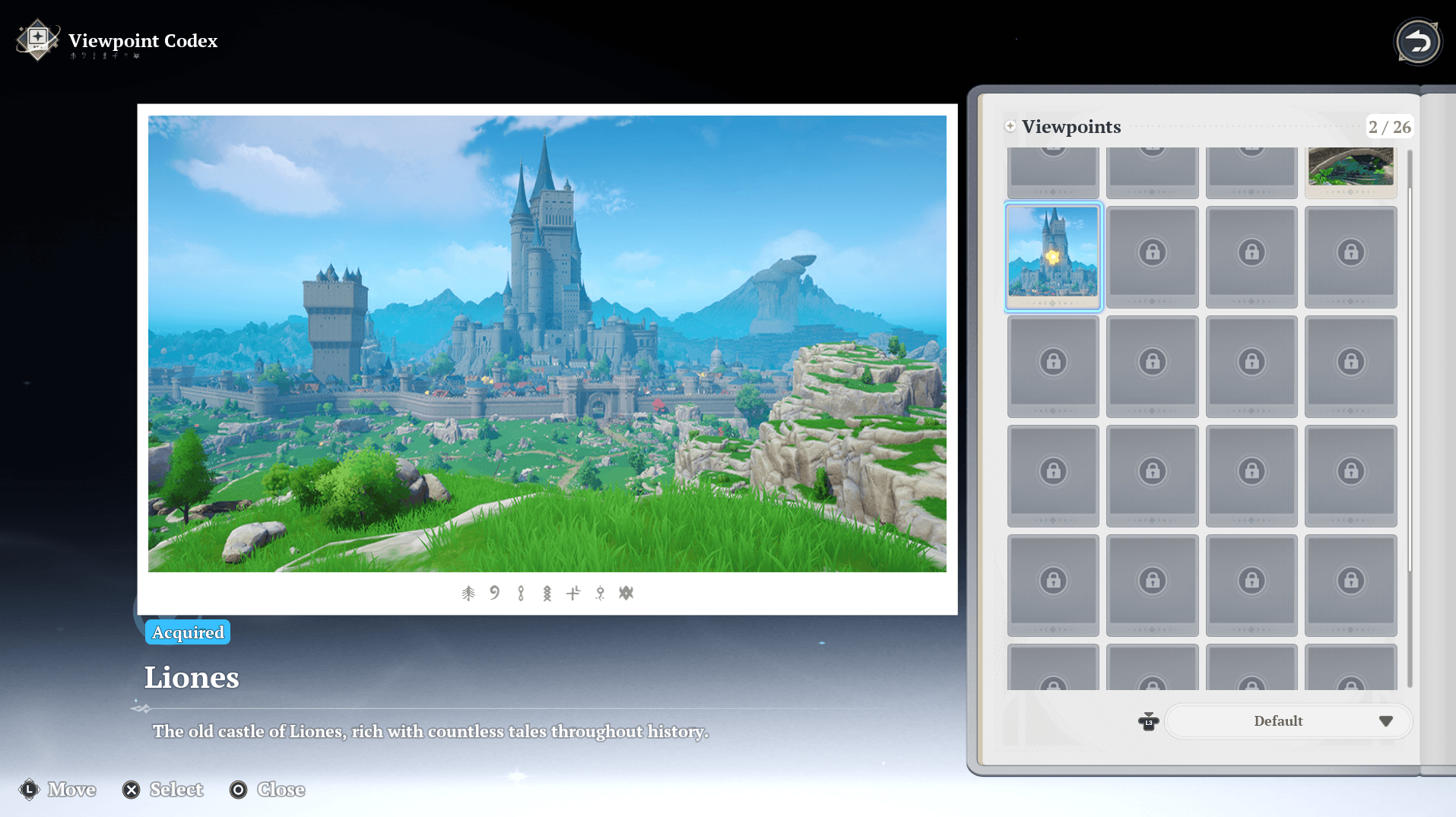
Viewpoints are scenic locations scattered across the map. These are indicated by a golden aura that you can interact with, which then reveals the viewpoint.
Each area has a set number to discover, and finding them will further contribute to your progression bar.
Final Thoughts – Making the Most of Each Region
Exploration in Seven Deadly Sins: Origin is not something you need to rush through. Each region is filled with things to discover, and the more time you spend moving through it, the more you’ll naturally find along the way. From quests to collectibles, everything is designed to reward you for simply taking your time and looking around.
If you focus on unlocking warp points early and keep an eye on your progression list, you’ll have a much easier time tracking down what you’re missing without it ever feeling overwhelming. Some things will come naturally, while others will take a bit more effort, but that is what makes exploring each area feel rewarding.
If you enjoyed this blog, make sure to subscribe and follow along for more Seven Deadly Sins: Origin content!